Bring Stories to Life: The Power of Dynamic Templates
In the fast-paced world of digital marketing, consistency is often the first casualty. You know the drill: you have a brilliant idea for a campaign, but by the time you sit down to design, the inspiration has faded, or you simply don't have the hours to craft a unique visual for every single platform. This is where Social Media Stories Templates become less of a luxury and more of a strategic necessity. These aren't just pre-made boxes for your photos; they are sophisticated design systems that bridge the gap between professional branding and daily content creation. Whether you are a small business owner trying to maintain a presence on Instagram or a content creator scaling your output, these templates offer a visual shorthand that speaks volumes about your brand's personality.
Visual Anatomy: Deconstructing the Aesthetic
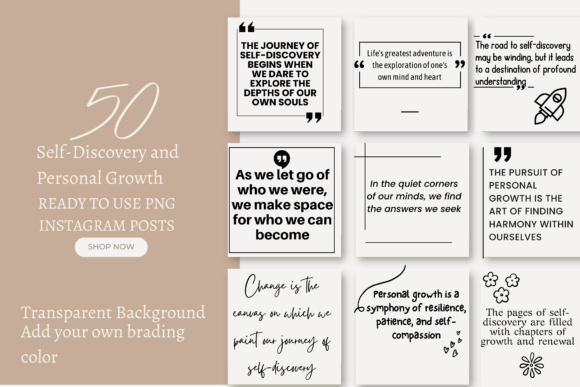
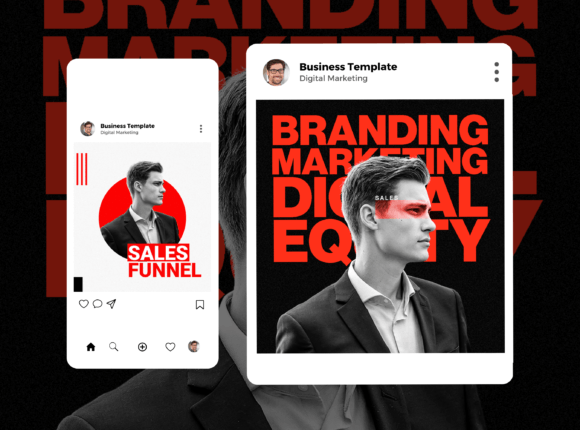
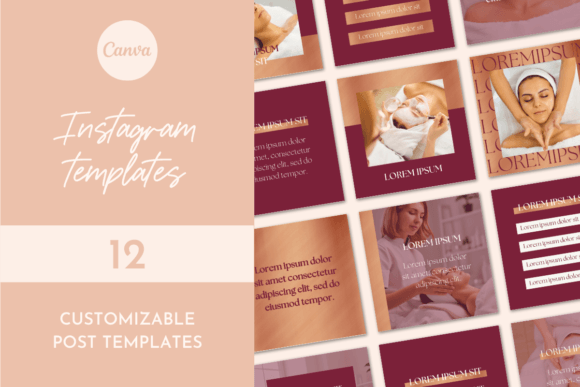
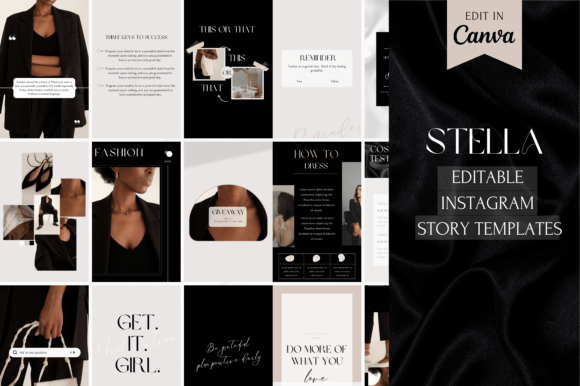
When we talk about the "look" of high-quality story templates, we are discussing a careful balance of negative space, typography, and compositional flow. Unlike static web designs, stories are ephemeral and vertical. The best templates utilize bold display fonts for headlines that grab attention in the split second a user is swiping, paired with highly legible sans serif fonts for body copy. You will often see the integration of script fonts or handwritten fonts to add a layer of human touch, softening the digital barrier between brand and audience.
The visual personality of these assets often leans into modern typography—think geometric shapes, clean lines, and strategic use of overlays. They are designed to act as a canvas. A good template doesn't scream for attention on its own; it holds space for your imagery. For instance, a template designed for a fashion influencer might use a thin, elegant serif font overlaid on a semi-transparent black bar to ensure the text pops against a busy outfit photo. Conversely, a template for a fitness coach might use a distressed, bold creative font to convey energy and grit. The appeal lies in this versatility; they provide a professional brand identity framework that can be adapted to endless content types.
Strategic Applications: Beyond the Instagram Feed
While the name implies a specific use case, the utility of Social Media Stories Templates extends far beyond Instagram or Facebook. Because these are typically vector-based design assets, they are incredibly versatile. Web design projects often benefit from the aesthetic of story templates. For example, you can adapt a story layout to serve as a mobile-first "hero" section on a landing page, utilizing the same vertical scroll mechanics to guide the user’s eye downward.
In editorial design, these templates can be repurposed for digital magazines or newsletter headers. The visual hierarchy established in a story—where the most critical information is at the top and the call-to-action is at the bottom—translates perfectly to email marketing structures. Packaging design is another area where the influence is growing. QR codes on product packaging that link to tutorials or brand stories can utilize these templates to create a cohesive "unboxing" experience that starts on the shelf and continues on the phone screen. Even for logo design presentations, using a story template to showcase a new logo in context (mockups) helps clients visualize the brand in action.
The Psychology of Layout and Brand Perception
Why does a template matter so much? It comes down to cognitive fluency. When your audience sees a consistent visual structure, their brain processes the information faster and with less effort. This is the essence of visual hierarchy. Social Media Stories Templates enforce this hierarchy. By keeping your fonts, colors, and layout structures consistent, you build recognition.
Consider readability. A chaotic design with too many font styles creates visual noise. A well-designed template ensures that your font pairing is harmonious. It might dictate that you use a heavy weight for the headline and a light weight for the caption, ensuring that the eye knows exactly where to land first. This professionalism directly influences brand perception. A sloppy story suggests a disorganized business; a polished, templated story suggests reliability and attention to detail. It creates a sense of consistency that builds trust over time, which is crucial for audience engagement.
Practical Selection and Integration
Choosing the right set of templates requires more than just picking the prettiest colors. You need to evaluate the commercial font licenses included. Many premium font families are included in high-end template packs, but you must verify if the license allows for commercial use in social media graphics and merchandise. Always check the font file formats—OTF and TTF are standard for desktop installation.
Here is a practical workflow for integrating these assets:
- Audit Your Content: Before buying, list the types of content you post most. Do you need quote templates, "Swipe Up" prompts, or Q&A layouts? Match the template's functionality to your needs.
- Test Font Pairings: Don't just accept the default. If the template uses a script font that is too decorative, swap it for a cleaner handwritten font that matches your brand voice but maintains legibility on small mobile screens.
- Check Layer Organization: Open the file in Photoshop or Illustrator. Are the layers named? Is the file organized? If the designer didn't take the time to organize the layers, you will waste hours trying to edit the template.
- Evaluate Scalability: Ensure the templates are built as vectors or smart objects. This allows you to use them for banners or posters without pixelation.
The Role of the "Human" Element
Even with the most rigid modern typography, the goal is to appear approachable. This is where the specific choice of typeface within the template plays a massive role. A template that relies solely on rigid, geometric sans-serifs might feel corporate. Integrating a serif font with a bit of character, or a script font for emphasis words, can change the entire emotional temperature of the design. It makes the content feel less like an advertisement and more like a conversation.
Furthermore, these templates are not just for the "big guys." Crafters, hobbyists, and bloggers can leverage these assets to level the playing field. You don't need a design degree to look professional; you need a system. Social Media Stories Templates provide that system. They allow you to focus on your message—your photography, your writing, your product—while the design framework handles the heavy lifting of visual communication.
Ultimately, the value of these assets lies in their ability to be customized. They are a starting point, not the finish line. By understanding the principles of typeface selection and layout that underpin these templates, you can transform generic designs into powerful tools for brand identity and connection. Whether you are designing for a web app, a physical poster, or a fleeting Instagram story, the principles of good structure, clear hierarchy, and intentional font usage remain the same.