HR-Approved Resume Templates for a Modern Job Search
Let's be honest, staring at a blank document trying to craft the perfect resume is a uniquely modern form of torture. You know you're qualified for the job, but translating that into a clean, compelling, one-page summary feels impossible. And if your current resume template dates back to your first internship, it's almost certainly working against you. The rules have changed, and what hiring managers expect today is a world away from the dense, text-heavy documents of the past.
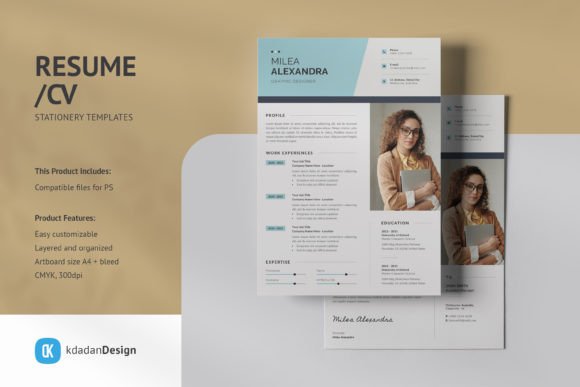
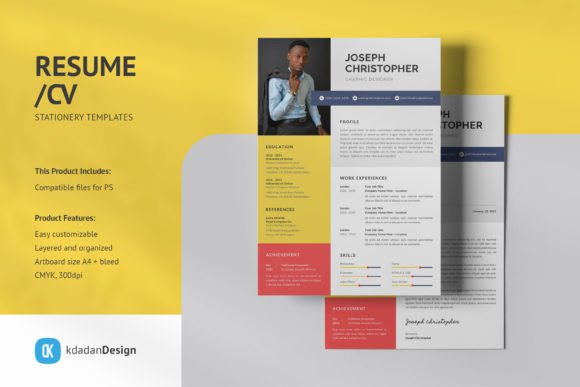
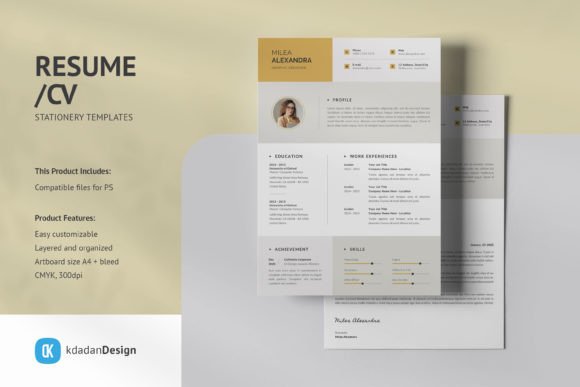
This is where having the right design assets in your corner makes all the difference. Think of these HR-Approved Resume Templates not as a magic wand, but as a professional framework built on solid modern typography and design principles. They’re designed to solve the two biggest resume challenges: making you look credible to a human reader and passing the initial automated scan. It’s about clarity, professionalism, and presenting your experience with the visual hierarchy it deserves.
Understanding the Anatomy of an HR-Approved Design
So, what does "HR-approved" actually look like? It’s not about flashy graphics or trendy fonts that scream for attention. It’s about thoughtful, strategic design that serves a purpose. A great resume template uses a clean sans serif font for the body text, ensuring maximum readability whether it's printed out or scanned on a laptop screen. It might pair this with a complementary serif font for your name and section headings, creating a subtle but effective visual hierarchy that guides the reader's eye to the most important information first.
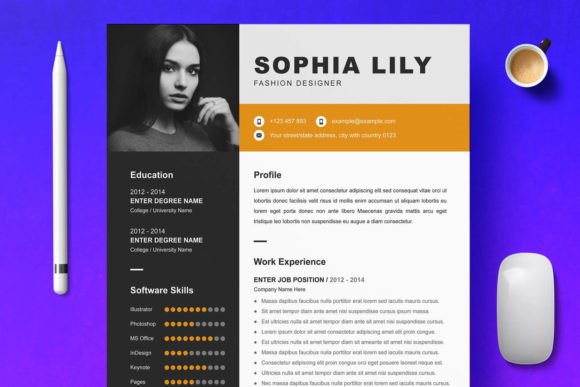
The visual personality of these templates is one of quiet confidence. It’s the kind of modern typography you see in a well-designed annual report or a premium brand’s style guide. There's a clear structure with defined sections, strategic use of white space to prevent the page from feeling cluttered, and a professional color palette that adds a touch of personality without being distracting. This isn't just about making a resume look "pretty"; it's about applying core design principles to improve communication and ensure your key achievements aren't lost in a wall of text. The overall appeal is one of competence and attention to detail—qualities every employer is looking for.
Beyond the Job Application: A Versatile Brand Identity Tool
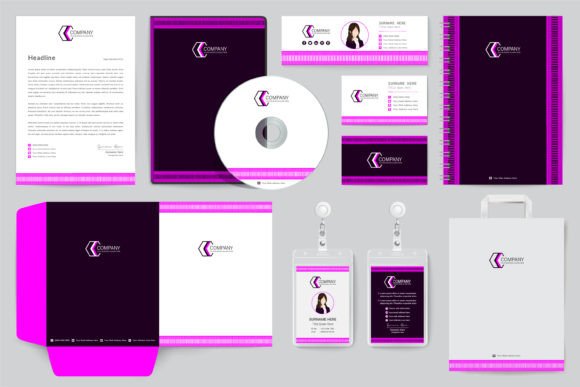
While the primary function is clear, the value of a well-designed template extends far beyond a single job application. Think of it as the foundation of your personal brand identity. The same design principles that make a resume effective—clarity, consistency, and a professional tone—are crucial for other career-related materials.
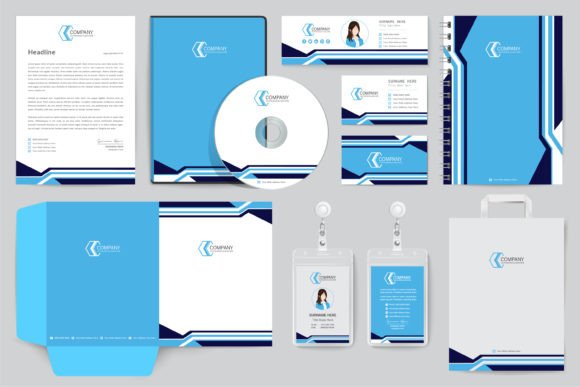
For instance, the included cover letter template ensures your entire application package has a cohesive look, reinforcing your personal brand from the first email to the final interview. You can easily adapt the design for a thank-you letter, creating a consistent and memorable follow-up. For freelancers, entrepreneurs, or small business owners, this same template structure can be repurposed to create professional-looking service proposals, client onboarding documents, or even a simple one-page portfolio overview. The core design assets—the clean typeface choices, the structured layout, the balanced use of color—create a versatile system for presenting yourself professionally in any context.
Practical Guidance for Customization and Use
A template is only as good as your ability to make it your own. The true power of a professional template package lies in its flexibility. You shouldn't feel locked into a specific color scheme or font. A key feature to look for is complete editability. You should be able to change every single word, adjust the color of any element, and swap out fonts to better match your personal style or industry.
When you download a package like this, you're often getting a suite of design assets: Microsoft Word (.docx) files for universal compatibility, Mac Pages (.pages) files, and even Photoshop (PSD) or Illustrator (EPS) files for those with more advanced design skills. This variety is crucial. It allows you to work in the software you're most comfortable with. The best packages include a detailed instructions file, which is invaluable for making edits without accidentally breaking the layout.
Before you start customizing, take a step back and evaluate the template's fit for the specific role you're targeting. A template with a more traditional serif font might be better for a law or academic position, while a clean, modern sans serif design could be perfect for tech, marketing, or creative fields. Don't be afraid to test different font pairings if you have the skills, but always prioritize readability above all else. Finally, always double-check the licensing for any included fonts, especially if you plan to use the final design for commercial purposes outside of a simple job application. This attention to detail is what separates a good resume from a great one.