Editable Line Sheet Templates: Your Wholesale Sales Guide
Creating a professional wholesale catalog or a clean line sheet is one of the most critical steps for designers, product-based business owners, and entrepreneurs looking to scale. However, the barrier to entry often feels high. Many assume they need expensive design software like Adobe InDesign or a professional graphic designer on retainer to create something that looks polished enough for a buyer's desk. This is where Editable Line Sheet Templates come into play, specifically those designed for platforms like Canva. These tools bridge the gap between a raw product idea and a retail-ready presentation, allowing you to showcase your products with a pricing guide that speaks the language of commerce.
Visual Style and Professional Appeal
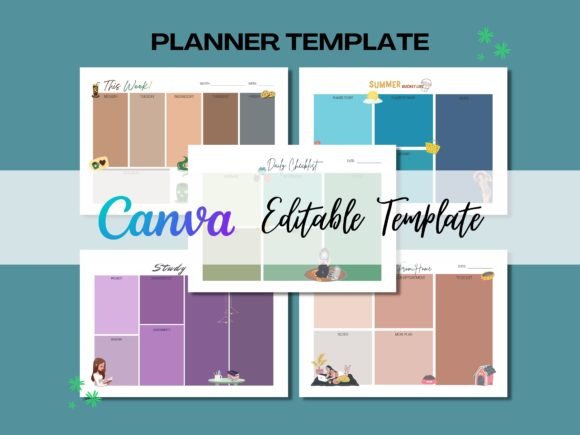
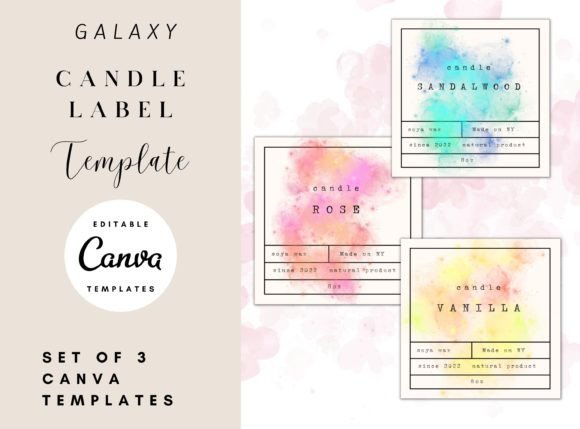
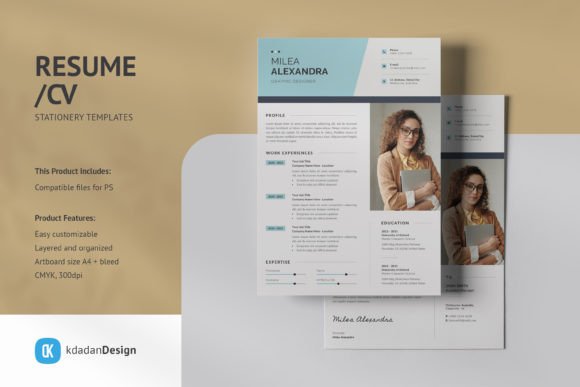
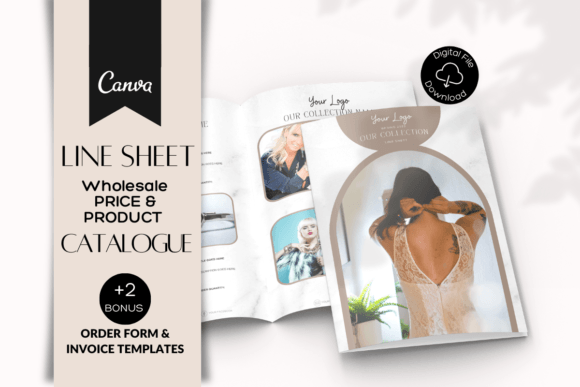
The primary strength of these templates lies in their visual personality: clean, organized, and functional. Unlike a social media post that might rely on chaotic energy or artistic flair, a wholesale line sheet demands clarity. The visual characteristics usually include a minimalist layout with ample white space, allowing your product photography to take center stage. The typography used in these templates is typically a mix of modern sans-serif fonts for headers and legible serif fonts for pricing and details. This combination creates a visual hierarchy that guides the buyer’s eye naturally from the product image to the SKU, price, and description without confusion.
The overall appeal is one of professionalism and trust. When a retailer opens a PDF that looks disjointed or cluttered, it signals a lack of experience. Conversely, a well-structured line sheet template conveys that you are a serious partner. The "editable" nature of these templates—specifically the ability to drag, drop, and move elements in Canva—means you can maintain this professional aesthetic while infusing your own brand's color palette and identity. It is not just about looking good; it is about looking like a business that understands the mechanics of wholesale.
Practical Application in Branding and Marketing
While the primary function is sales, the utility of Editable Line Sheet Templates extends deep into your broader branding and marketing strategy. For creative professionals, these sheets serve as a vital component of your brand identity. Consistency is key in business, and using a template ensures that every PDF you send to a potential stockist looks uniform, reinforcing your brand recognition.
These templates work best in scenarios where you need to communicate a lot of information quickly. For example, if you are a jewelry designer with pieces in multiple metals and stones, the ability to duplicate pages or sections allows you to organize complex inventory logically. This is also where the practical guidance on design assets comes in. You are not just creating a document; you are creating a design asset that serves you for years. Because the templates are available in both US Letter and A4 sizes, they are versatile enough for international trade shows or digital distribution via email.
Furthermore, the accessibility of these tools cannot be overstated. The fact that they can be edited on a laptop, tablet, or even a phone directly addresses the reality of modern entrepreneurship. You might be updating your pricing guide while waiting for a supplier meeting or adding new product shots from a pop-up shop. This flexibility ensures your marketing materials are always current, which is crucial for maintaining professional relationships with buyers.
Choosing and Customizing Your Template
When evaluating which template fits your project, look beyond the initial aesthetic and consider the readability and visual hierarchy. A good template should handle both long and short product descriptions gracefully. If your products require technical specifications (like fabric content or dimensions), ensure the layout supports text blocks without looking crowded. This is a subtle but important aspect of editorial design applied to commerce.
Customization is where you turn a generic tool into a bespoke piece of marketing. The ability to change fonts and font sizes allows you to align the document with your specific modern typography preferences. If your brand leans towards a vintage aesthetic, you might swap the default sans-serif for a serif font with more character. If you are a tech gadget company, you might tighten the kerning and use a bold, geometric sans-serif to convey innovation.
Here is a practical checklist for finalizing your line sheet:
- Photo Quality: Ensure your uploaded photos are high-resolution. Blurry images ruin the credibility of even the best layout.
- Color Palette: Use your brand’s hex codes to replace template colors, ensuring the document feels like an extension of your website or packaging design.
- Information Architecture: Verify that pricing, minimums, and contact info are easy to find. Do not bury the lead.
Ultimately, the goal of using Editable Line Sheet Templates